Welcome to Changsha Mining Equipment Co., Ltd.
Speed Can Be Regulated but Insufficient Speed? A Deep Dive into Locomotive Per
In busy mining and industrial haulage operations, a locomotive that runs slowly isn't just an inconvenience—it's a direct drag on your production schedule. The frustration of a machine that can technically "go," but lacks the power to move at its required pace is a common, and often misunderstood, problem.
For a 5-ton explosion-proof electric locomotive, the symptom of "speed can be regulated, but the maximum speed is insufficient" is a classic performance bottleneck. This issue rarely indicates a catastrophic failure of the core drive system. Instead, it is usually a sign of a solvable problem involving mechanical resistance or signal degradation. By following this structured guide, your maintenance team can quickly identify the root cause and restore your locomotive to peak operational performance.
Part One: Mechanical & Operational Checks (The Physical Factors)
Before diving into complex electrical diagnostics, we must rule out the most common physical culprits. Often, the solution is simpler than you think.
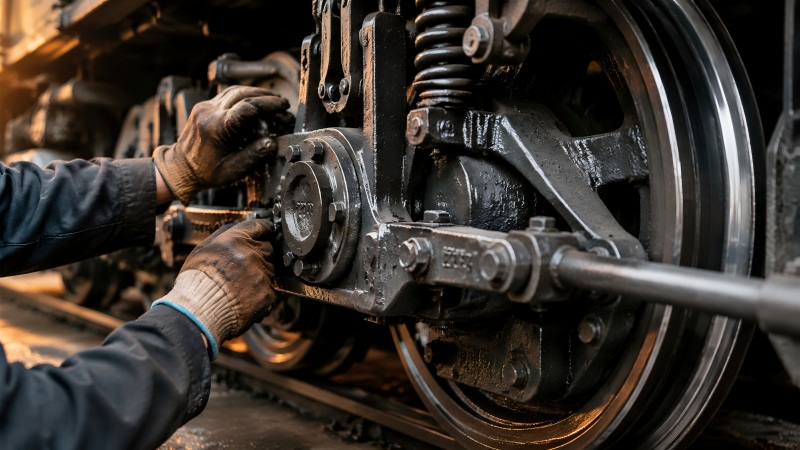
1. Locomotive Mechanical Fault (Check Brakes, etc.)
If the motor is working hard but the locomotive isn't accelerating, the energy is likely being consumed by an unseen physical obstacle. The most frequent cause here is a braking system that hasn't fully released, causing the brake shoes to drag against the wheels. This constant friction turns your locomotive's power into wasted heat.
Expert Action: Start your inspection with the braking system. Ensure the handwheel is completely released and check for any debris or mechanical obstructions in the drivetrain.
2. Locomotive Severely Overloaded
Every machine has its limits, and the 5-ton locomotive is no exception. Its traction and motor output are designed for a specific load. When you exceed this capacity, the motor physically cannot generate enough torque to reach its rated speed; all the power is spent overcoming gravity and rolling resistance.
Expert Action: Verify the train's load against the locomotive's specifications. Reducing the load to the recommended limit isn't just a way to regain speed—it's a critical step in protecting the traction motor from overheating and long-term damage.
Part Two: Electrical & Power Source Diagnostics (The Hidden Factors)
If the physical checks pass, it's time to diagnose the electrical signals. This is where the fine-tuning of the locomotive's electronic brain takes place.
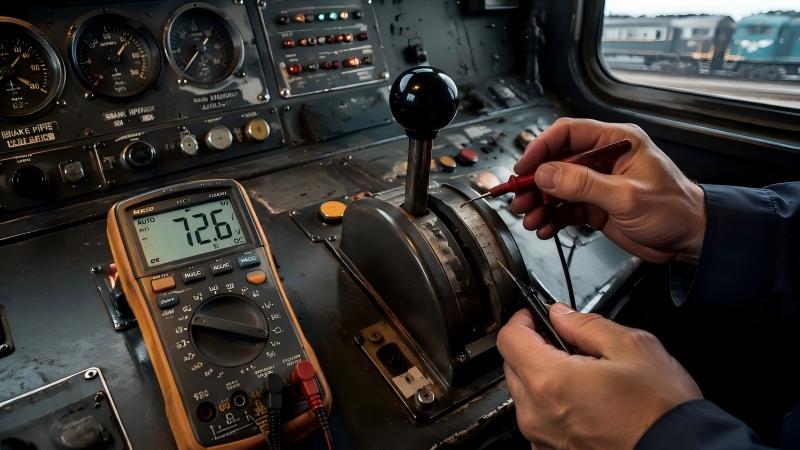
3. Giver Voltage Below 4V
The modern explosion-proof locomotive relies on a "giver" (the speed potentiometer) to send a command voltage to the control module. If this component is old or faulty and sends a signal below 4V, the controller believes the operator is only requesting a fraction of the available power, thereby limiting the speed.
Expert Action: Use a multimeter to test the giver's output voltage. If the signal is too low, replace the giver. Restoring the full 0-10V signal range is essential for proper speed control.
4. Voltage Too Low (Undervoltage)
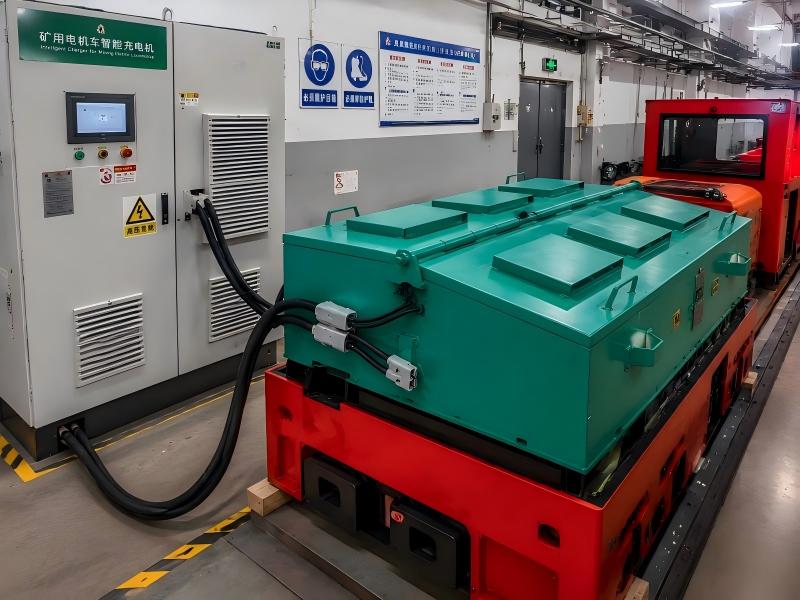
The locomotive's performance is directly tied to the health of its power source. When a battery is depleted, its voltage output drops significantly. The control system detects this undervoltage state and will deliberately limit performance to protect the battery pack from a catastrophic deep discharge.
Expert Action: Monitor the voltage meter closely during operation. If the voltage is sagging below the nominal level, the immediate solution is to recharge the battery. To avoid this in the future, implement a strict, data-driven charging schedule.
Conclusion
A locomotive that fails to achieve its maximum speed is not just a machine running slow; it's sending a clear "sub-health" signal. By using a systematic approach—checking for mechanical drag, adjusting the load, verifying the signal voltage, and monitoring battery health—you can quickly resolve the issue and ensure your machines operate at full capacity. Our CTY5/6, 7, 9GB series locomotives are engineered for ease of diagnosis, but even the best equipment requires skilled oversight. Need help with a specific diagnosis? Our technical team is always ready to provide support.
Sabrina He | Mining Machinery Specialist
With over 14 years of experience in the mining equipment industry, Sabrina He specializes in machinery selection, technical troubleshooting, and plant optimization.