Welcome to Changsha Mining Equipment Co., Ltd.
Strait of Hormuz Crisis: The Hidden Costs Facing Global Mining Operations
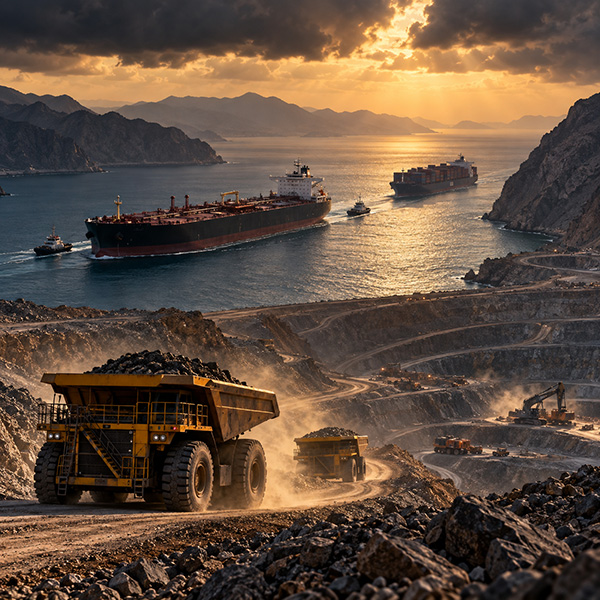
The Strait of Hormuz is thousands of kilometers from many of the world's largest mines. Yet disruptions in this narrow waterway could soon be reflected in the cost of moving every ton of ore.
Recent attacks on commercial vessels have intensified shipping risks across the Persian Gulf. On October 20, Reuters reported that approximately 80 very large crude carriers were tied up in regional shuttle operations, pushing freight costs for U.S. crude shipments to Asia to around $40 per barrel.
For mining companies, the danger extends far beyond oil prices.
1. Diesel: The First Cost Shock
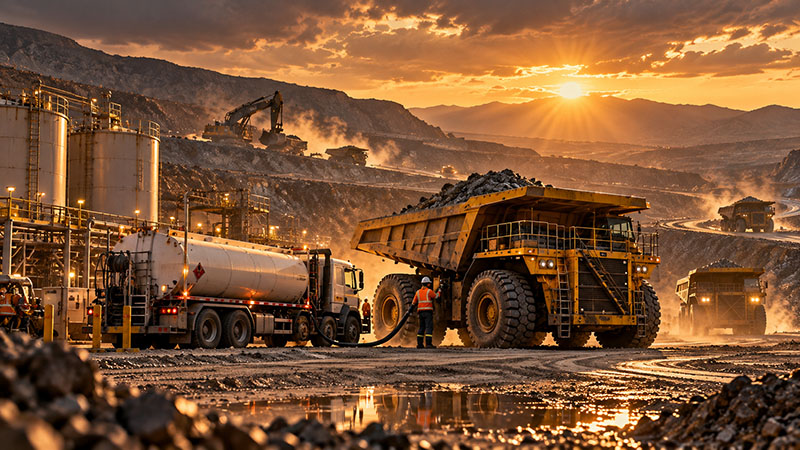
Open-pit haul trucks, underground loaders, drilling equipment and backup generators consume substantial amounts of diesel.
When oil transportation becomes more expensive, higher fuel costs can eventually reach mining operations, depending on regional supply conditions and contracts.
For remote mines relying on diesel deliveries over hundreds of kilometers, even modest price increases can significantly affect operating expenses.
A mine does not have to stop production to suffer a financial shock. Its cost per ton can rise while output remains unchanged.
2. Shipping Equipment: A Hidden Supply Chain Risk
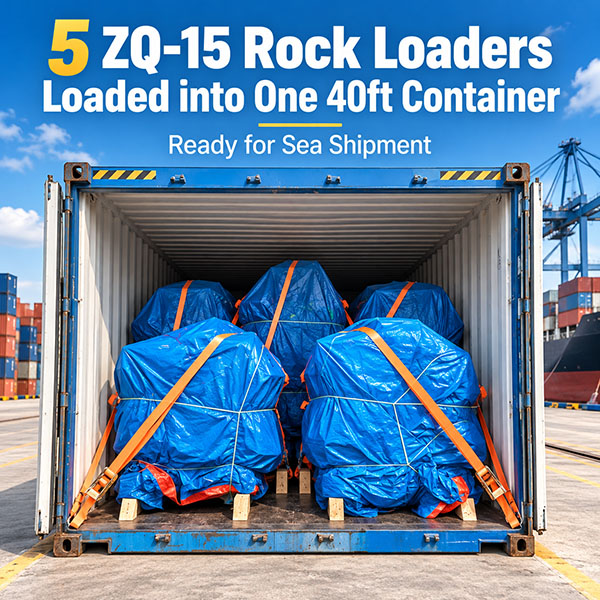
Oil tankers, container ships and bulk carriers operate in different freight markets. Rising tanker rates do not automatically mean all mining equipment shipments become more expensive.
However, fuel surcharges, insurance premiums and disrupted shipping schedules can increase delivery costs and uncertainty.
Regional logistics challenges may amplify these pressures.
In Zambia, for example, mining equipment imported through distant seaports must often travel long distances by road. Higher trucking fuel expenses or inland transport delays can complicate delivery schedules.
For mines in Central Asia, including Kazakhstan and Uzbekistan, international rail connections, border crossings and customs procedures can introduce additional uncertainty, even when shipments do not pass through Hormuz.
These challenges become particularly serious when mines depend on imported critical components.
And the true cost of a delayed equipment shipment often becomes visible only when operations are disrupted underground.
3. When One Delayed Part Stops a Mine
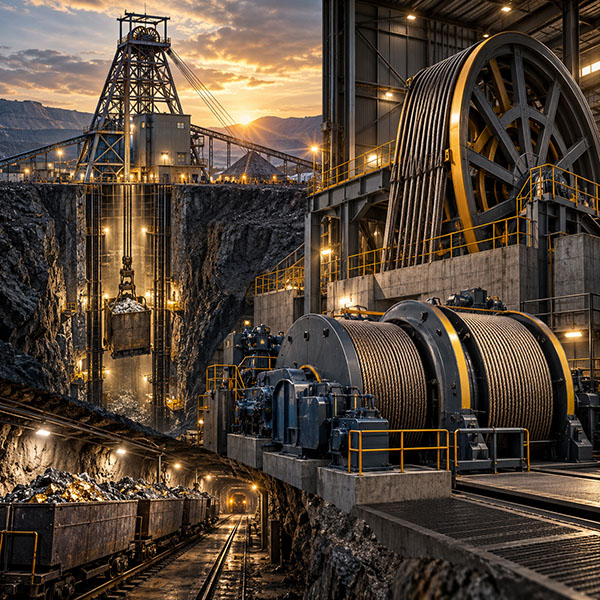
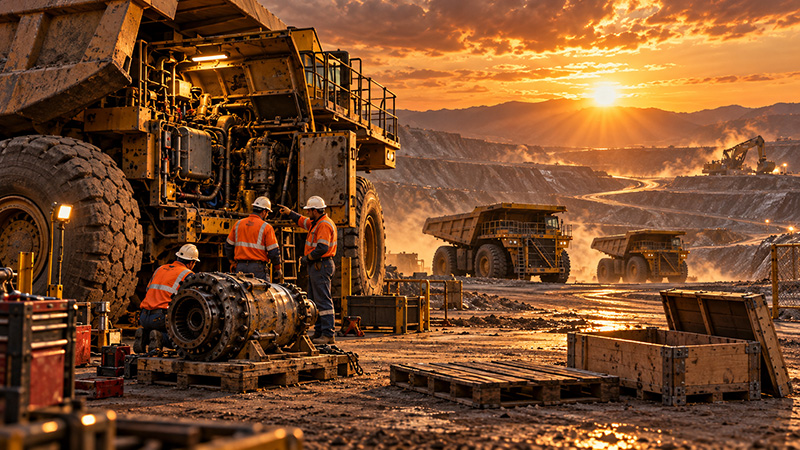
Imagine an underground mine waiting for a replacement component for its hoisting system.
The shipment is delayed. No suitable spare is available. Production must be restricted until the equipment is repaired and safely tested.
Suddenly, a logistics problem becomes a production problem.
The resulting downtime can cost far more than the replacement component itself.
This highlights the importance of spare-parts inventory, preventive maintenance and reliable equipment suppliers.
4. Can Electrification Reduce Exposure?
Fuel-price volatility also raises an important question: Can mining operations reduce their dependence on diesel?
Where infrastructure and operating conditions permit, battery-electric mining locomotivescan reduce on-site diesel consumption in underground haulage.
Electrification cannot eliminate all energy or supply-chain risks. However, it can help mines diversify energy sources and improve control over operating costs.
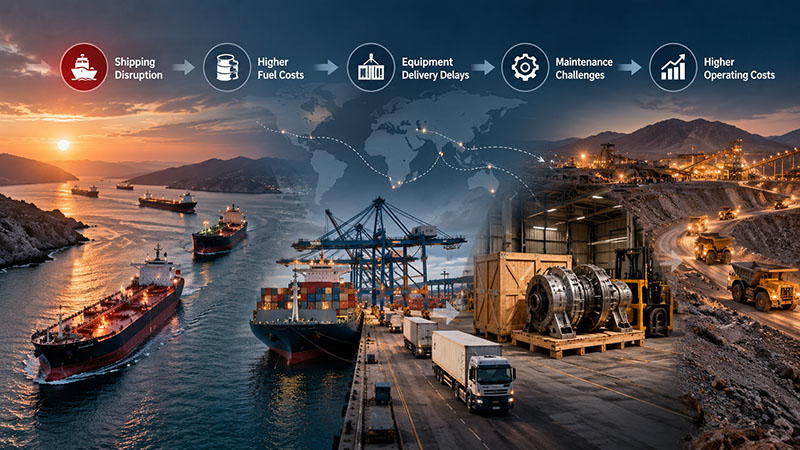
5. The Real Risk Is a Chain Reaction
The Hormuz crisis will not affect every mine equally. Geography, energy sources, equipment types and transportation routes all influence exposure.
But the underlying lesson is clear.
A shipping disruption thousands of kilometers away can trigger a chain reaction—from fuel costs and equipment deliveries to maintenance schedules and mineral production costs.
For mining operators, supply-chain resilience is becoming as important as equipment reliability.
Because the next major mining cost shock may not begin underground.
It may begin at sea.
Aizen Liu | Delivery Manager
I oversees our international supply chain, ensuring that heavy-duty mining equipment reaches your site safely and on schedule. From complex customs clearance to final delivery, I provides a seamless and hassle-free procurement experience for our global clients.