Welcome to Changsha Mining Equipment Co., Ltd.
Mining Costs Are Biting in 2026. Here’s How Mid-Tier Miners Are Fighting Back.
Let’s be honest — 2026 is not an easy year for mining, especially if you're not a major.
Financing is expensive. Equipment prices have climbed. Lead times are long. And yet, demand for copper, gold, lithium, and silver isn't going anywhere. The question isn't whether to mine — it's how to mine profitably without burning through your cash reserve in the first 12 months.
For junior and mid-tier underground operators, the smart ones are changing their playbook. Not "bigger and faster." Not "fully automated or nothing." Instead, they're going smaller, simpler, and more capital-conscious.
This isn't about cutting corners. It's about cutting waste — and matching your equipment to your ore body, not to a manufacturer's brochure.
Two Big Headwinds in 2026 (and What They Mean for You)
Headwind #1 – Money isn't cheap anymore
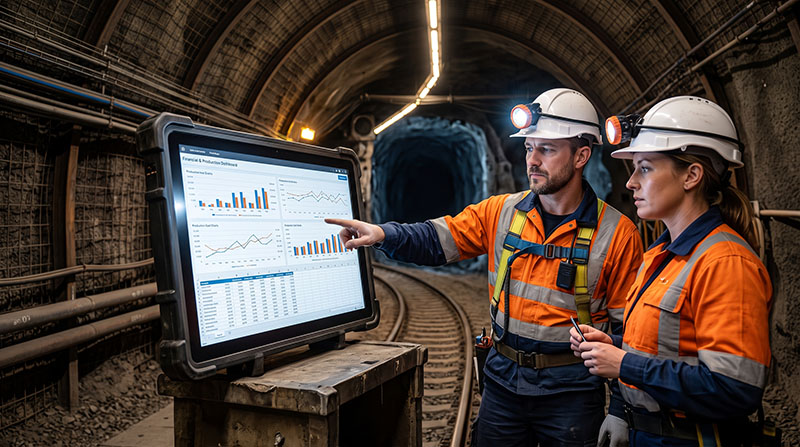
Interest rates are up. Debt lenders want higher premiums. Equity investors are skittish about dilution. That means your project's IRR and payback period are under a microscope. If you sink millions into oversized machinery before you've even broken rock, that math gets ugly — fast.
Headwind #2 – New equipment costs 20–30% more than two years ago
Inflation hit heavy manufacturing hard. And delivery schedules? Stretched. Waiting 12+ months for a custom-built jumbo or LHD ties up capital and delays revenue. For a small-to-mid operation, that's a double hit.
So the new mantra for 2026 is simple: deploy less capital upfront, generate cash earlier, and keep operating costs lean.
What Smart Operators Are Doing Differently
Instead of widening drifts to fit 50-ton haulers, they're designing around narrow-vein geometry — less waste rock, less blasting, less hoisting, lower cost per tonne.
Instead of building a massive central processing plant from day one, they're starting with modular crushing and grinding setups — enough to produce saleable concentrate early, and reinvest profits later.
Instead of betting everything on one "do-it-all" machine, they're using a flexible fleet of smaller, easier-to-maintain units that can be moved, reconfigured, or even redeployed to a new zone without a major overhaul.
It's not about being small. It's about being nimble.
4 Equipment Categories That Are Gaining Traction Right Now
If you're reviewing your CAPEX plan for 2026, these are the workhorses we're seeing more of in cost-conscious underground mines:
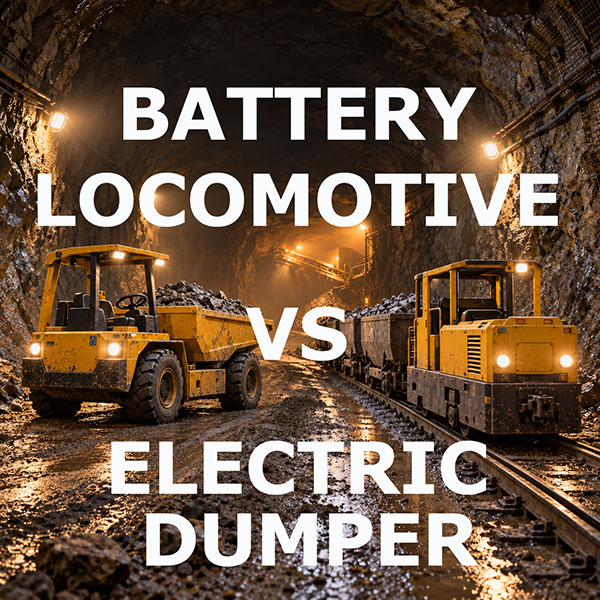
1. Battery locomotives + mine cars (instead of diesel trucks)
Diesel haulage means ventilation — and ventilation means big power bills. Battery-powered 2.5–12 tonne locomotives running on light steel rails eliminate underground emissions, cut ventilation costs significantly, and are mechanically simpler to maintain in remote sites.
2. Pneumatic rock shovels (for tight headings)
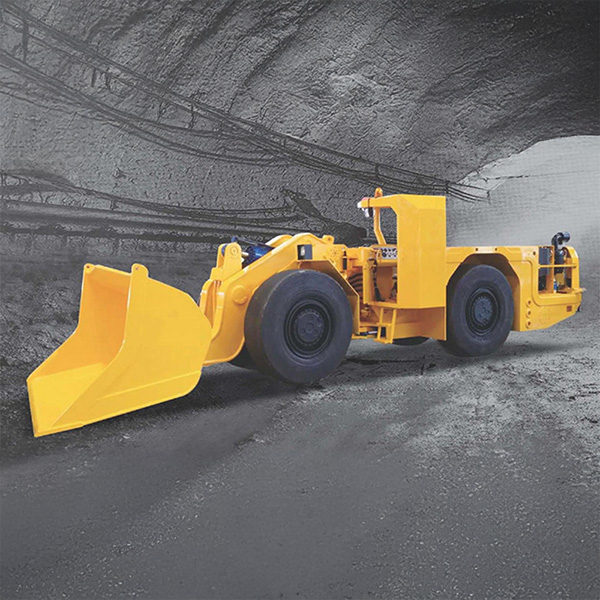
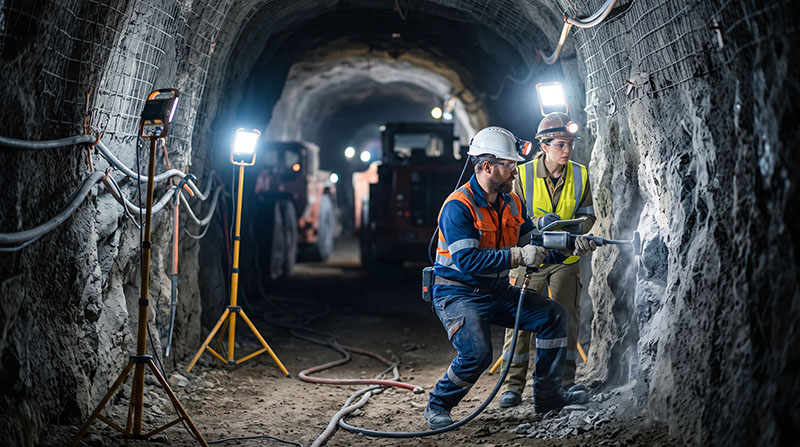
In narrow cross-sections, large electric LHDs simply don't fit — and when they break down, you're waiting on specialized technicians. Pneumatic shovels are tough, simple, and handle wet conditions without electrical failures. Low-tech, but highly reliable.
3. Compact winches and utility hoists (for vertical/inclined shafts)
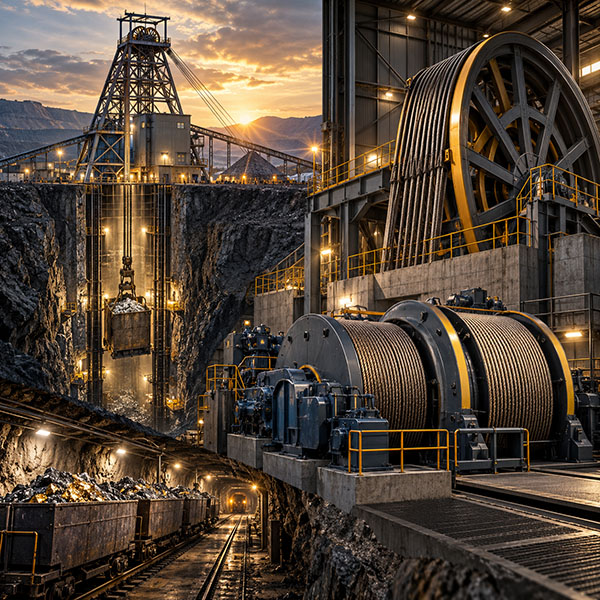
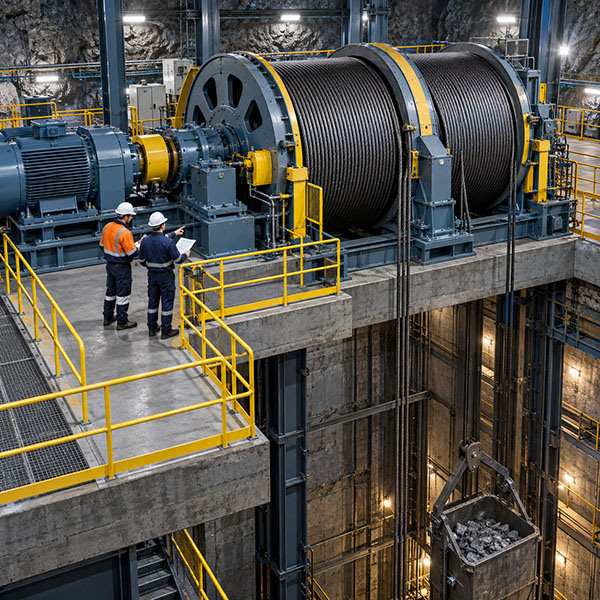
Not every shaft needs a massive winder. A properly sized winch or hoist takes up less surface space, draws lower power, and is easier to install. For sublevel or small-to-mid depth operations, this is a practical, cost-effective choice — and we engineer each unit to your specific depth and payload requirements.
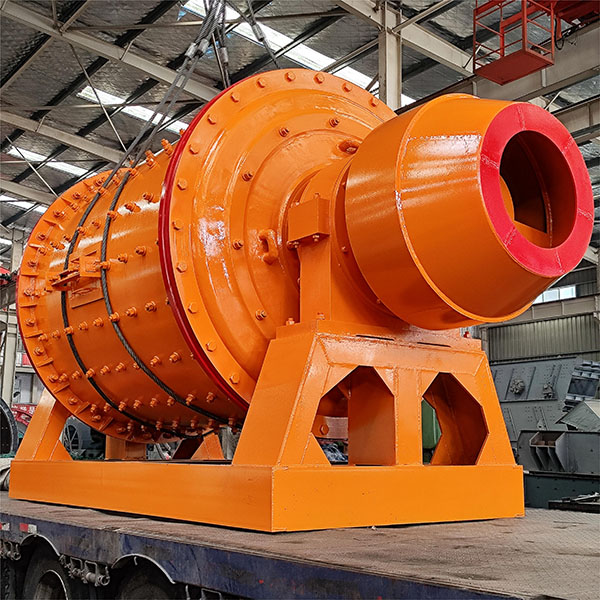
4. Portable crushers + small ball mills (for early-stage processing)
Instead of waiting for a full processing plant to be built, many projects now deploy a compact crushing-and-grinding module near the portal. It processes high-grade material early, generates first revenue, and validates ore grades before bigger investment commitments.
The "Bigger Is Better" Trap – Why It Doesn't Work in 2026
We get it — there's a natural instinct to buy the largest machine you can afford, "just in case." But in today's capital environment, that instinct can kill your project.
Bigger machines mean bigger upfront payments, bigger interest costs, bigger spare parts, and bigger maintenance crews.
They also mean longer lead times — months of idle capital while you wait.
And if your ore body changes direction or grade? You're stuck with a machine that no longer fits.
On the other hand, right-sized equipment — designed for your actual drift dimensions and tonnage — gives you flexibility. You can scale up later, after you've proven the resource and built a cash cushion.
The Bottom Line
2026 isn't about squeezing every ounce of production. It's about squeezing every dollar of value.
The operators who will come out ahead this year aren't the ones with the biggest fleet. They're the ones who:
Plan around their actual ore body, not a theoretical ideal
Choose equipment that's easy to fix with local skills
Delay big infrastructure spend until they have revenue flowing
Partner with suppliers who understand project economics, not just machine specs
If that sounds like your approach — or if you're rethinking your equipment list for an upcoming development — we'd love to hear about your project. No hard sell. Just a honest conversation about what works, what doesn't, and how we can help you keep your CAPEX under control.
Sabrina He | Mining Machinery Specialist
With over 14 years of experience in the mining equipment industry, Sabrina He specializes in machinery selection, technical troubleshooting, and plant optimization.