Welcome to Changsha Mining Equipment Co., Ltd.
Beyond Depth and Geology: 5 Overlooked Factors in Choosing Your Mine Transport System
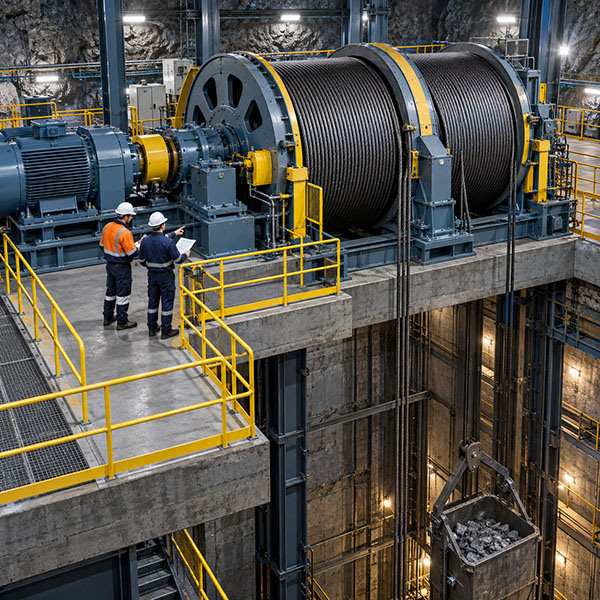
Choosing between a vertical shaft hoisting system and a horizontal tunnel haulage network is one of the most critical decisions in mine planning. While depth and geology provide the initial answer, the final decision should be refined by several strategic, often overlooked, factors. These elements ultimately determine the long-term profitability, flexibility, and operational smoothness of your mine.
Here are five key considerations beyond the basics that can guide your choice.
1. Future Expandability and Scalability
A transport system must not only meet today's needs but also adapt to tomorrow's demands.
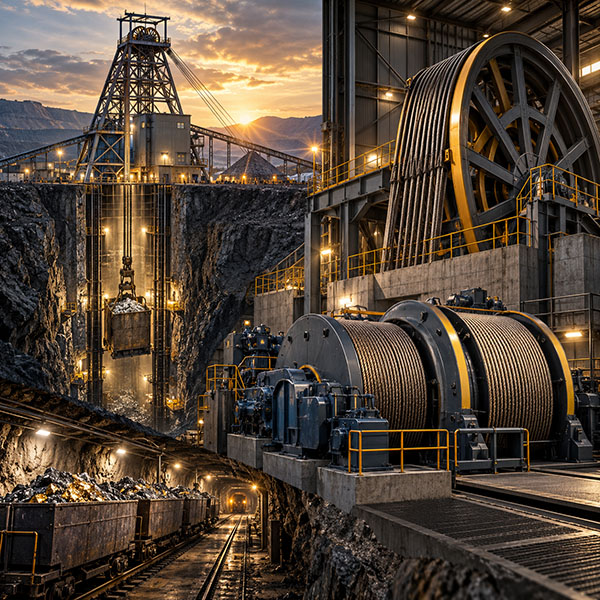
Shaft Hoisting: Expanding vertical capacity is complex and costly. It often involves sinking a new shaft or undertaking a major upgrade of the existing hoist, requiring significant capital and downtime.
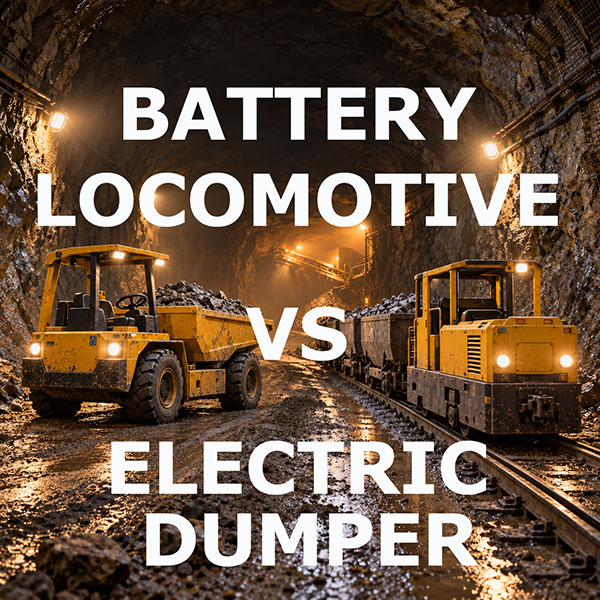
Tunnel Haulage: Scaling horizontal transport is generally more modular. You can add more locomotives and mine cars, extend rail tracks, or integrate additional rubber-tired vehicles with relative ease. This makes tunnel systems more adaptable to increasing production targets or expanding underground exploration.
Our Solution: We provide scalable tunnel equipment, from versatile battery locomotives to agile dump trucks, and can advise on hoist upgrades when your operation grows.
2. Lifecycle Cost & Operational Expense Sensitivity
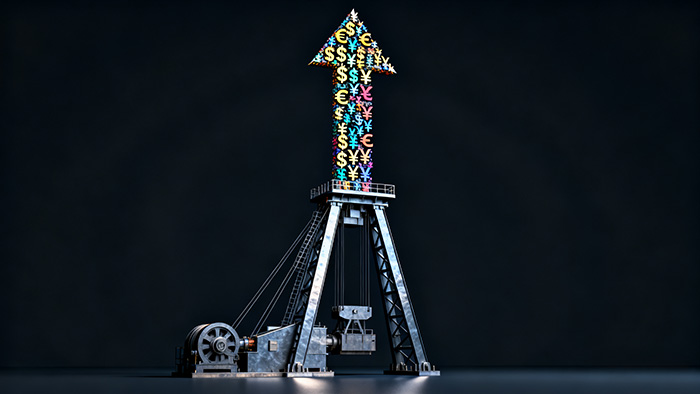
The initial capital outlay is just one part of the financial picture.
Shaft Hoisting: Requires a high upfront investment but often boasts lower, more predictable operating costs per ton over long distances for deep mines. Its efficiency is driven by direct vertical lift.
Tunnel Haulage: While potentially cheaper to establish, it can face rising operational costs as the mine deepens. This includes higher energy consumption for longer hauls, increased tire wear for trackless vehicles, and more personnel required for logistics.
Our Solution: Our efficient multi-rope hoists are engineered for low lifetime costs, while our range of electric and battery-powered tunnel equipment helps minimize energy and ventilation expenses.
3. Infrastructure and Implementation Timeline
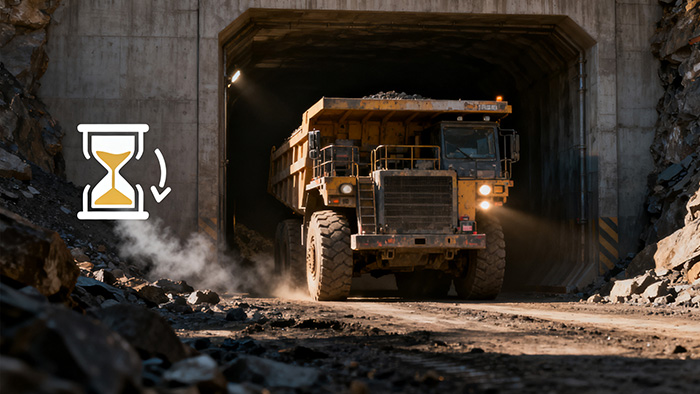
Time is money, and the speed to production directly impacts project economics.
Shaft Hoisting: Sinking a shaft is a time-consuming process, delaying the start of full-scale production. However, once operational, it provides a consistent and high-volume production artery.
Tunnel Haulage: Developing a tunnel or decline often allows for a faster start-up. Production can begin from the tunnel face even as the haulageway is being developed, improving early cash flow.
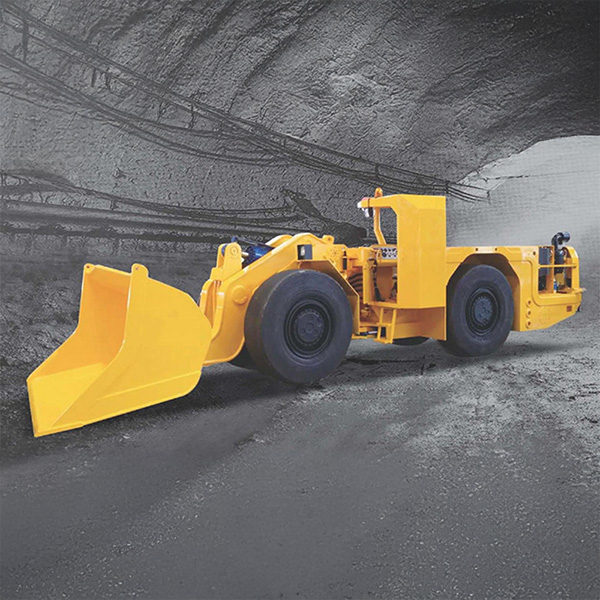
Our Solution: We support faster tunnel development with robust, ready-to-deploy equipment like Scooptrams and mucking loaders that get your operation moving quickly.
4. Residual Value and Asset Redeployability
The potential for equipment reuse or resale is a significant financial factor.
Shaft Hoisting: The headframe and hoist are permanent, fixed assets. They have minimal residual value beyond the life of the mine and cannot be relocated.
Tunnel Haulage: Trackless vehicles, in particular, hold considerable residual value. They can be sold on the secondary market or transported to a new mining site, offering financial flexibility and risk mitigation.
Our Solution: Our trackless vehicles (LHDs, dump trucks) are built for durability and high resale value, representing a mobile asset for your company.
5. inherent Safety and Operational Culture
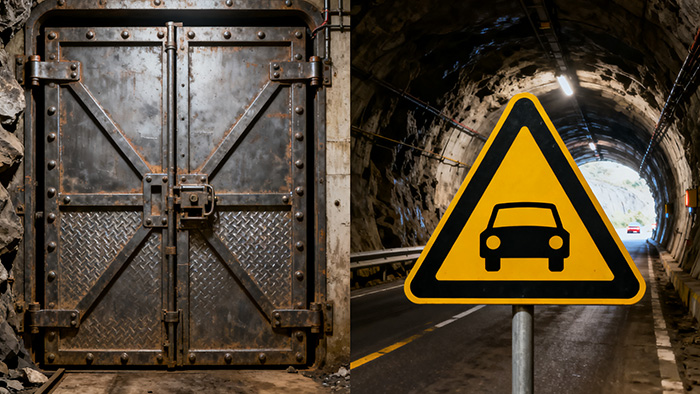
Each system presents unique safety profiles and demands different operational disciplines.
Shaft Hoisting: Centralizes activity but introduces unique risks like falling objects and hoist mechanism failures. It requires a highly disciplined, procedure-oriented culture focused on vertical logistics.
Tunnel Haulage: Distributes activity but introduces traffic management challenges, including collision risks and air quality concerns (especially with diesel equipment). It demands a culture vigilant about vehicle interaction and personal awareness.
Our Solution: We engineer safety into all our equipment, from reliable hoist braking systems to advanced CAN-bus controls and emission-free battery options for locomotives and LHDs.
By weighing these five factors alongside traditional geological data, you can make a more comprehensive and strategic decision that ensures your transport system is not just technically feasible, but also economically optimal and operationally resilient for the long haul.