Welcome to Changsha Mining Equipment Co., Ltd.
Dispatch Winch vs. Hoist Winch: What Is the Difference?
When choosing the right winch for mining, tunneling, or industrial material handling, many buyers ask the same question: what is the difference between a dispatch winch and a hoist winch? Although both types of winches are used to move heavy loads, they are designed for different tasks, working conditions, and safety requirements. Understanding these differences is important for improving efficiency, reducing risks, and selecting the right equipment for your project.
What Is a Dispatch Winch?
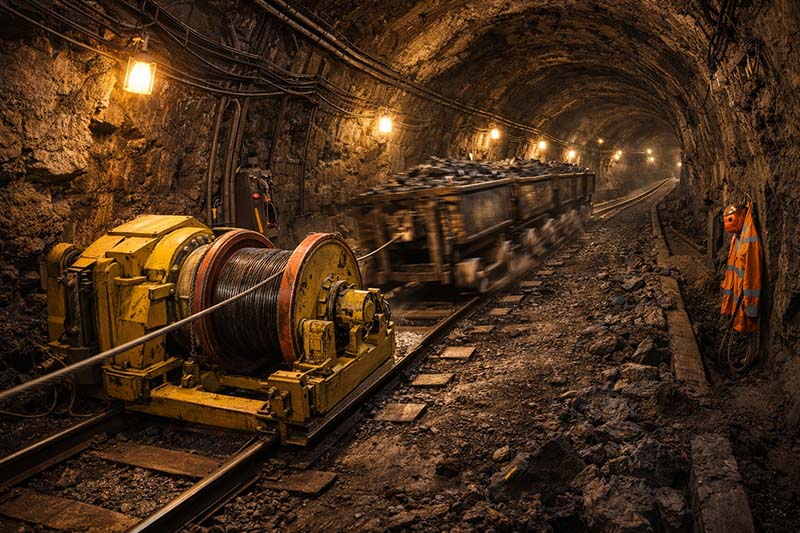
A dispatch winch is mainly used for hauling and dispatching materials in underground mines, tunnels, and other workplaces with small inclination angles. It is commonly used to pull mine cars, move materials, and assist with auxiliary transportation work in roadways with an inclination of less than 30 degrees.
In many mining operations, a dispatch winch is also used at loading stations to organize and dispatch mine cars. Its main purpose is to pull loads along a track or inclined roadway, rather than lift them vertically. Because of this, dispatch winches are widely chosen for short- to medium-distance traction tasks in coal mines and similar environments.
What Is a Hoist Winch?
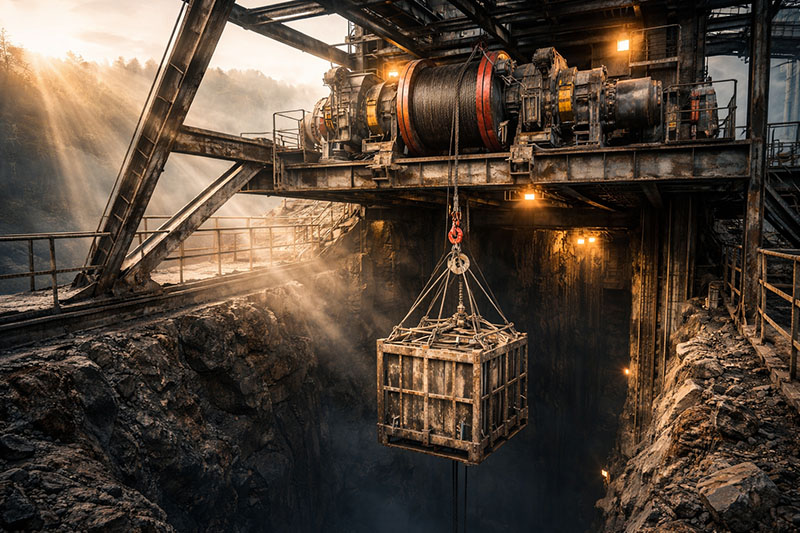
A hoist winch is designed for lifting and lowering heavy loads. Unlike a dispatch winch, which is used mainly for horizontal or low-angle hauling, a hoist winch is intended for applications where materials need to be raised or lowered vertically or on steep inclines.
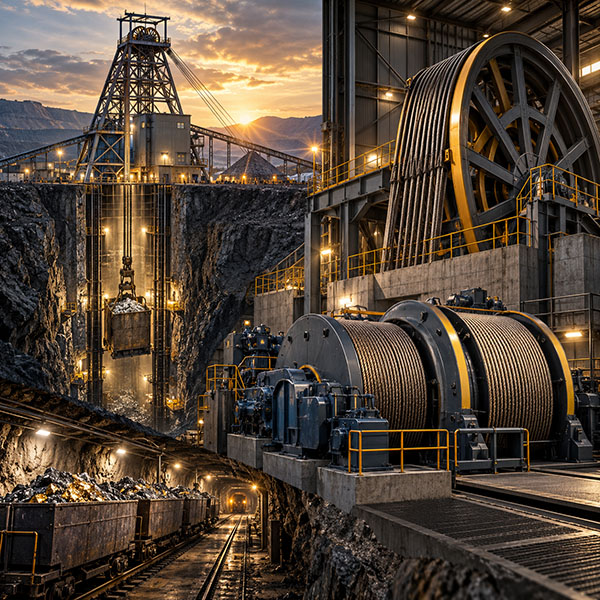
Hoist winches are often used in mine shafts, construction lifting systems, and industrial lifting applications. Their design focuses on load suspension, precise lifting control, and strong braking performance. In simple terms, a hoist winch is the correct choice whenever the job involves lifting rather than pulling.
Dispatch Winch vs. Hoist Winch: Main Differences
The most obvious difference between a dispatch winch and a hoist winch is their application. A dispatch winch is used for traction and transportation, while a hoist winch is used for lifting and lowering. This means the two machines are not interchangeable, even if they may look similar in appearance.
Another key difference is the working condition. Dispatch winches are suitable for roadways or tunnels with smaller slopes, usually under 30 degrees. Hoist winches are built for vertical lifting or steeper-angle operations where a suspended load must be controlled safely.
The safety requirements are also different. A dispatch winch is generally not allowed for personnel lifting or vertical hoisting. It is intended only for material transportation and dispatching. A hoist winch, by contrast, is specially engineered for lifting duties and must meet stricter safety standards related to suspended loads.
Differences in Structure and Braking Performance
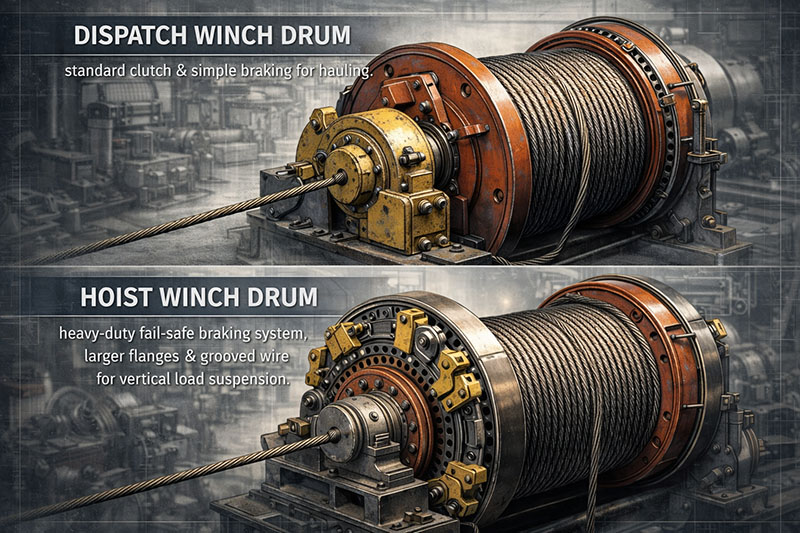
Although both machines use a drum, wire rope, motor, and braking system, their structural focus is different. A dispatch winch is designed to provide stable forward movement, reverse movement, and stopping during hauling work. It must ensure reliable traction, smooth operation, and effective control when pulling or lowering materials along a roadway.
A hoist winch requires a more demanding braking and control system because it often works with suspended loads. Its braking performance must be strong enough to hold the load securely during lifting and lowering. This makes braking reliability even more critical in hoisting applications.
How to Choose the Right Winch
If your project involves pulling mine cars, transporting materials, or dispatching loads in tunnels or low-incline roadways, a dispatch winch is usually the better option. If your application requires lifting, lowering, or vertical movement of heavy loads, then a hoist winch is the right choice.
Choosing the correct winch is not only about productivity, but also about safety. Using a dispatch winch for lifting work can create serious risks, while using a hoist winch for simple hauling tasks may increase costs unnecessarily.
Conclusion
In summary, the difference between a dispatch winch and a hoist winch comes down to one essential point: dispatch winches are for hauling, while hoist winches are for lifting. By understanding their functions, applications, and safety requirements, buyers can make better decisions and ensure safer, more efficient operations.