Welcome to Changsha Mining Equipment Co., Ltd.
How to Choose the Right Mine Dispatch Winch for Underground Transport
Underground mining operations depend heavily on reliable haulage systems. Whether transporting ore, waste rock, materials, or equipment, a mine dispatch winch plays a critical role in ensuring safe and efficient underground transport.
Choosing the right dispatch winch is not simply about selecting the biggest or most powerful model. It requires understanding your tunnel conditions, transport distance, load capacity, and long-term production goals.
In this guide, we will explain how to choose the right underground mining winch for your project and avoid common selection mistakes.
What Is a Mine Dispatch Winch?
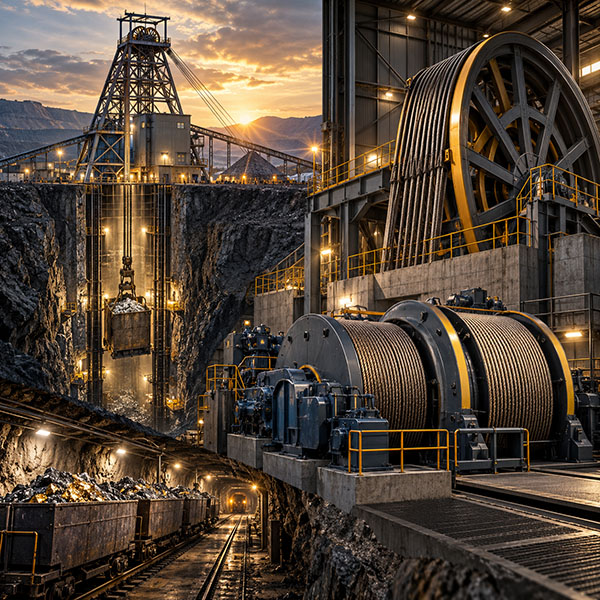
A mine dispatch winch (also known as a mining transport winch or haulage winch) is an electric winch designed for horizontal or inclined underground transport in mining tunnels.
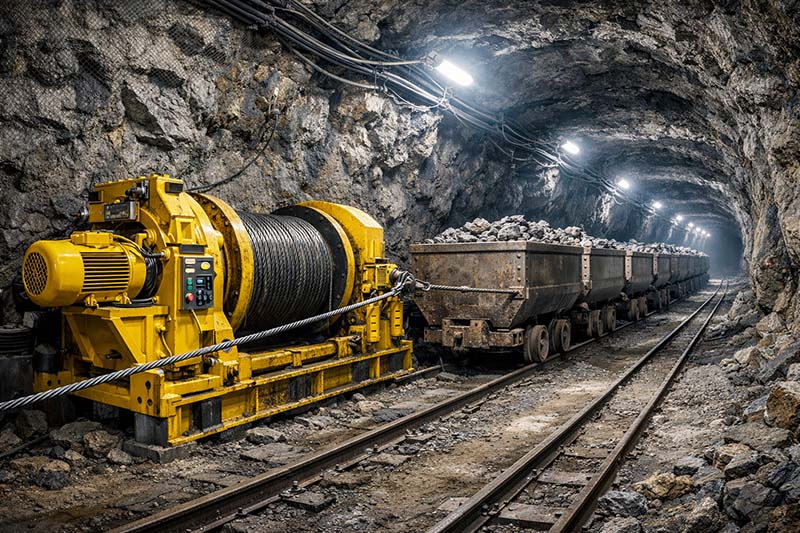
Unlike a vertical mine hoist, which lifts materials in shafts, a dispatch winch is typically used in:
Horizontal roadways
Inclined tunnels
Mining districts
Material transport lanes
Ore haulage drifts
It pulls mine cars or material carts using a steel wire rope, providing controlled traction for short- to medium-distance transport.
Where Are Dispatch Winches Used?
A dispatch winch is commonly installed in:
Underground coal mines
Metal mines (gold, copper, iron, zinc, etc.)
Non-metal mines
Tunnel construction projects
Underground infrastructure projects
In many mining layouts, multiple dispatch winches are installed at different sections of the tunnel network. Each winch handles a specific transport segment depending on slope and distance.
Why Proper Winch Selection Matters
Selecting the wrong mine dispatch winch can result in:
Insufficient pulling force
Overloaded motors
Excessive rope wear
Reduced equipment lifespan
Safety risks in inclined tunnels
Production downtime
A correctly selected underground mining winch improves:
Operational safety
Energy efficiency
Transport productivity
Maintenance cost control
Long-term system stability
5 Key Factors When Choosing a Mine Dispatch Winch
1. Tunnel Length (Rope Capacity Requirement)
The first factor is transport distance.
Each dispatch winch model has a defined rope capacity (usually 400m–650m). The winch drum must accommodate the full working rope length.
If your transport distance is:
Under 300m → Standard 400m rope capacity models may be sufficient.
400–600m → Larger drum models are required.
Over 600m → Heavy-duty long-distance winches are recommended.
Always allow additional rope length for safety margin.
2. Tunnel Slope (Inclination Angle)
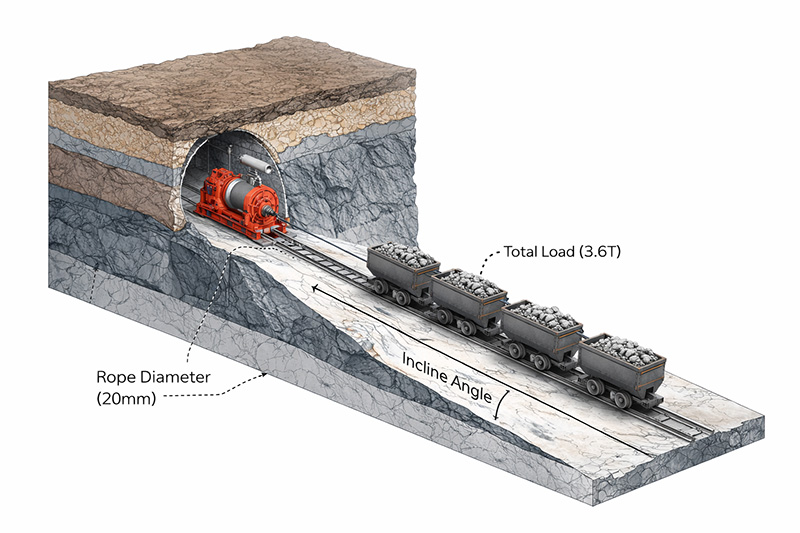
Slope dramatically affects pulling force requirements.
In horizontal tunnels, the winch mainly overcomes rolling resistance.
In inclined roadways, the winch must overcome:
Rolling resistance
Gravity component
Additional safety factor
For example:
Light-duty models are suitable for flat or low-angle tunnels.
Medium-duty models are better for moderate slopes.
Heavy-duty models are required for steep inclines.
Ignoring slope angle is one of the most common selection mistakes.
3. Total Load Per Trip
You must calculate the total pulling load:
Total Load = (Number of mine cars × weight per car) + material weight
Example:
3 mine cars
1.2 tons per loaded car
Total load ≈ 3.6 tons
This determines the required maximum static tension of the outer layer rope.
Dispatch winches are typically categorized by pulling force levels (e.g., 10 kN, 16 kN, 20 kN, 25 kN, 30 kN, 40 kN).
Selecting a winch based solely on car count without calculating actual weight can lead to underpowered equipment.
4. Wire Rope Diameter
Each mine dispatch winch is designed for a specific wire rope diameter.
Smaller winches: 12–16 mm
Medium-duty winches: 16–20 mm
Heavy-duty winches: 20–22 mm
Thicker wire rope provides:
Higher load capacity
Greater durability
Improved safety margin
However, it also requires:
Larger drum diameter
Stronger motor
Heavier structural frame
Always match the rope diameter with winch specifications.
5. Motor Power and Torque
Motor power (kW) determines the winch’s ability to handle load and maintain stable speed.
Typical underground mining winches range from:
11 kW (light duty)
25 kW (medium duty)
40–55 kW (heavy duty)
Lower speed motors (e.g., 980 r/min) provide higher torque, which is suitable for heavy load applications.
When selecting an electric winch for mining, consider:
Continuous operation hours
Ambient underground temperature
Explosion-proof requirements
Power supply stability
All underground mining winches should use explosion-proof motors for safety compliance.
Typical JD Series Mine Dispatch Winch Classification
Although specifications vary by manufacturer, dispatch winches are generally divided into:
Light Duty (1–1.6 Ton Class)
Short distance transport
Small mine cars
Flat tunnels
Lower installation cost
Medium Duty (2–2.5 Ton Class)
Moderate slopes
Medium load
Most common mining applications
Heavy Duty (3–4 Ton Class)
Long distance haulage
Steep incline tunnels
High-capacity mining operations
Larger wire rope diameter
Higher motor power
Choosing the right category ensures both performance and economic efficiency.
Why Mining Projects Often Install Multiple Dispatch Winches
In real mining operations, it is common to install several dispatch winches in one project.
Reasons include:
Separate tunnel segments
Different slope sections
Multi-level mining layouts
Redundant backup systems
Simultaneous transport lines
A single underground transport network may require 5–10 winches depending on layout complexity.
Common Mistakes When Selecting a Mining Transport Winch
1. Choosing Based on Price Only
Lower cost may mean lower pulling force or shorter lifespan.
2. Ignoring Future Expansion
If production increases, undersized winches may need replacement.
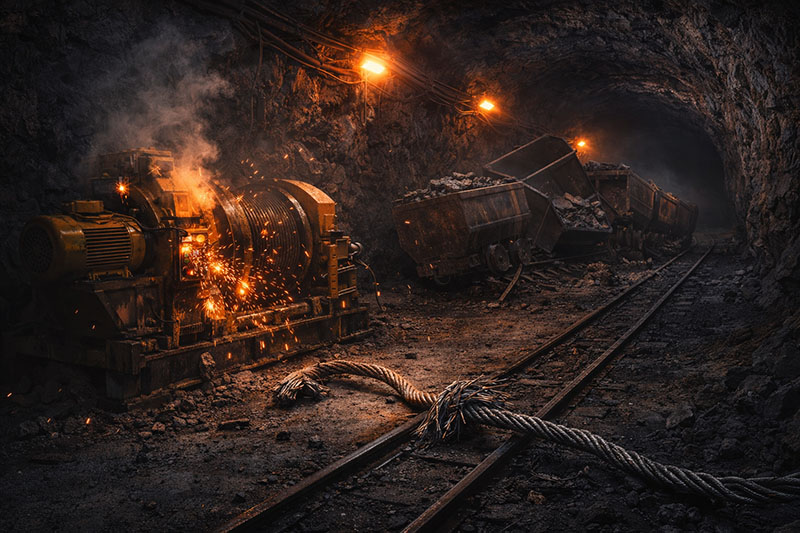
3. Underestimating Safety Margin
Always include safety factors in pulling force calculations.
4. Not Considering Rope Wear
Long-distance operations require larger drum diameter to reduce bending stress.
5. Overlooking After-Sales Support
Mining environments are harsh. Spare parts and technical support are critical.
Working With a Professional Supplier
A reliable mine dispatch winch supplier should provide:
Model selection support
Load calculation assistance
Customized rope capacity options
Explosion-proof motor certification
Installation guidance
After-sales technical support
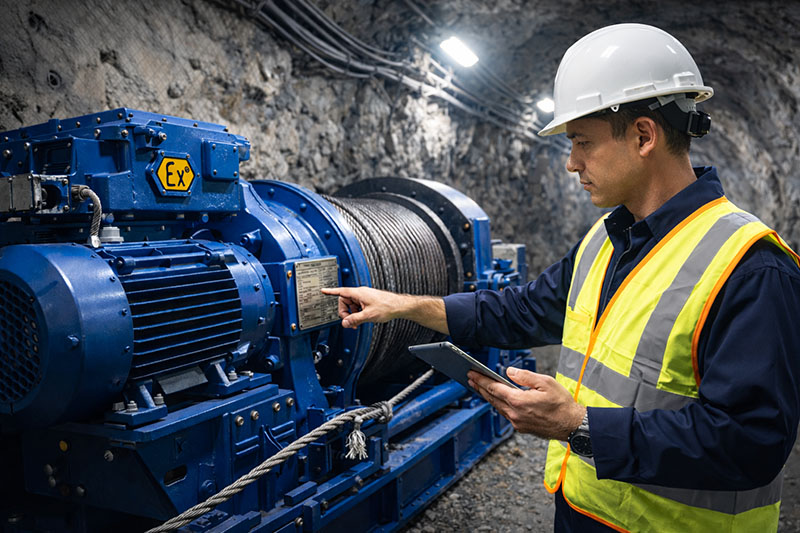
Providing detailed project data (distance, slope, load, mine layout) helps ensure accurate model selection.
Conclusion
Selecting the right mine dispatch winch is essential for underground transport efficiency and safety. The ideal choice depends on tunnel length, slope angle, total load, rope diameter, and motor power.
Instead of choosing the largest model, focus on matching technical specifications to real working conditions.
A properly selected underground mining winch will improve productivity, reduce maintenance costs, and enhance operational safety over the long term.
If you are planning a new mining project or upgrading your underground transport system, consult with experienced engineers to determine the most suitable dispatch winch model for your application.