Welcome to Changsha Mining Equipment Co., Ltd.
Key Causes of Mine Hoist Bearing Failures & Prevention Strategies
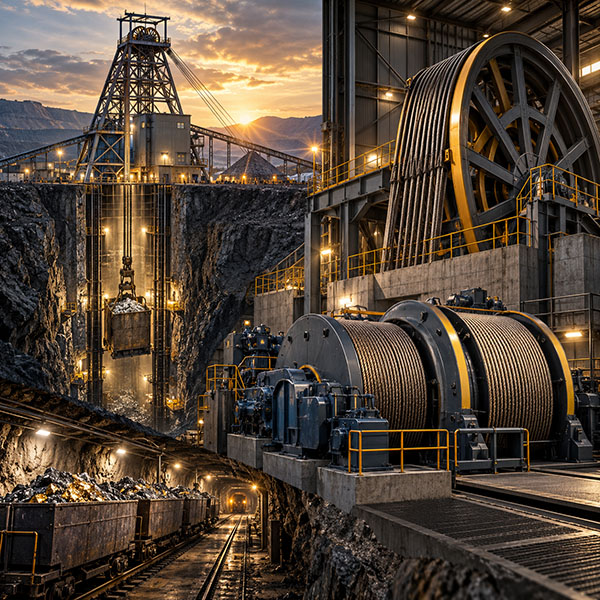
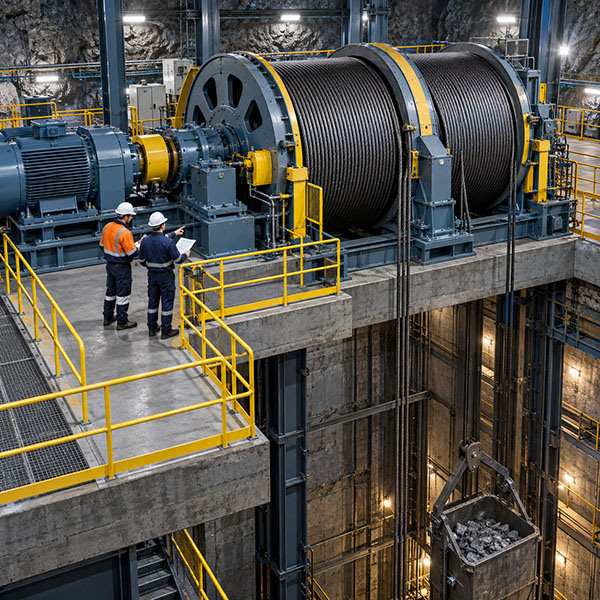
In the mining industry, the reliability of equipment is paramount to ensure safe and efficient operations. Among the critical components of mining machinery are mine hoist bearings, which play a vital role in the lifting and lowering of materials.
However, mine hoist bearing failures can lead to costly downtime and safety hazards. Understanding the key causes of these failures and implementing effective prevention strategies is essential for maintaining operational efficiency.
One of the most prevalent causes of mine hoist bearing failures is insufficient lubrication. Proper lubrication reduces friction, minimizes wear, and helps dissipate heat. When bearings are inadequately lubricated, friction increases, leading to overheating and accelerated wear. Regular lubrication checks and using the right type of lubricant can mitigate this issue.
Contaminants such as dirt, dust, and moisture can infiltrate bearing assemblies, causing significant damage. These particles can lead to surface wear and corrosion, ultimately resulting in bearing failure. Implementing effective sealing systems and maintaining a clean environment around the bearings are crucial steps to prevent contamination-related failures.
Misaligned bearings are another common culprit behind failures. When bearings are not aligned correctly, they experience uneven load distribution, resulting in increased stress and wear. Regular inspection and proper installation techniques are essential to avoid misalignment issues.
Exceeding the designed load capacity of bearings can lead to premature failure. Overloading puts undue stress on the bearings, causing deformation and fatigue. Monitoring load limits and ensuring that equipment is operated within its specified capacity are vital to prevent overloading.
Implementing a routine inspection and maintenance schedule is key to identifying potential issues before they lead to failures. Visual inspections, vibration analysis, and temperature monitoring can help detect early signs of wear or damage. Addressing these issues promptly can prevent costly breakdowns.
Establishing a lubrication schedule that aligns with the manufacturer's recommendations is critical. Using the correct type and amount of lubricant, along with ensuring that lubrication points are easily accessible, can significantly extend bearing life.
Educating maintenance personnel about the importance of proper bearing care and failure prevention techniques is essential. Well-trained staff can identify issues early and take corrective actions, reducing the risk of unexpected failures.
Incorporating advanced monitoring technologies, such as condition monitoring systems, can provide realtime data on the health of mine hoist bearings. These systems can alert operators to abnormal conditions, allowing for timely intervention and reducing the likelihood of failure.
By understanding the common causes of mine hoist bearing failures and implementing these prevention strategies, mining operations can enhance equipment reliability, minimize downtime, and ensure a safer working environment. Consistent maintenance and proactive measures are the cornerstones of effective bearing management.