Welcome to Changsha Mining Equipment Co., Ltd.
Field Report: Stopping Material Leakage at Your Ball Mill's Inlet & Outlet
——A Practical, Step-by-Step Guide to Prevent Costly Raw Material Loss
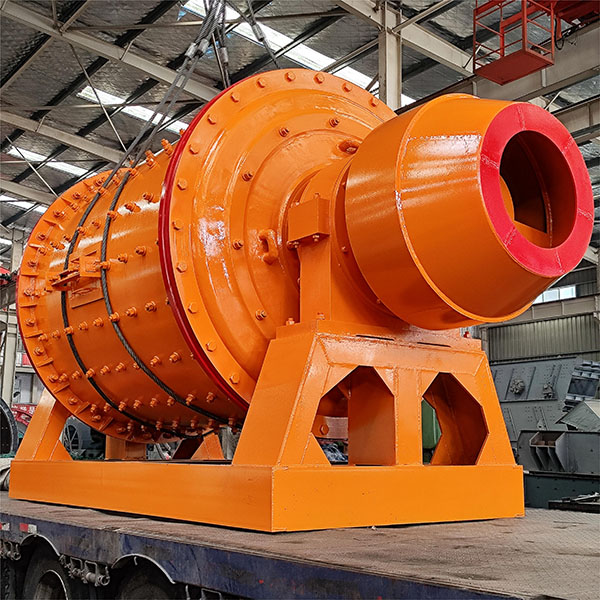
As an operator in a mineral processing plant, few sights are as frustrating as watching valuable raw material pile up on the floor around your ball mill. Material leakage from the mill's inlet and outlet isn't just a housekeeping issue; it's a direct hit to your productivity, profitability, and operational safety. The constant loss of grindable material means you're literally watching your revenue stream escape, while the resulting dust can create significant health and safety hazards for your team.
At changsha mining equipment co.,ltd, we've supported countless mining operations through this exact challenge. Based on extensive field experience, we've consolidated the most effective response into a clear, actionable, three-step protocol. We've just released a detailed video demonstration, but here is the core methodology to guide your team.
Step 1: Immediate Action – Safety First and Leak Localization
The moment a leak is detected, the first move is always an emergency shutdown followed by a strict safety lockout/tagout (LOTO) procedure. Never attempt any inspection or adjustment while the machinery is in operation. Once the system is safely powered down and isolated, your crew can begin to accurately pinpoint the source. Is the material seeping from the feed end, the discharge end, or both? Precise localization is critical for an efficient repair.
Step 2: The Rapid-Inspection Checklist
With the mill safely offline, conduct a systematic inspection. Don't just look for the obvious; check these key areas we often find to be the culprits:
Check the Sealing System: Is the traditional gland packing worn, aged, and brittle? Are the bolts securing the assembly noticeably loose?
Check for Component Wear: Inspect the spiral blades and the scoop wheel. Is the operational gap between them excessively large due to wear, allowing material to bypass?
Check all Connections: Examine the flange gaskets for signs of tearing, blow-out, or degradation. Don't forget to check the end cover bolts for any that are stretched or broken.
Step 3: Implementing Targeted, Durable Solutions
A proper fix depends on what your inspection uncovers.
For failed packing, we strongly recommend upgrading to high-grade, wear-resistant packing or, for a long-term solution, consider retrofitting with a mechanical seal for a near-permanent seal.
If the spiral blades are worn down, they must be built up by welding and re-profiled to restore the manufacturer's specified gap with the scoop wheel.
For leaking flanges, replace the gasket entirely. When tightening the new bolts, always follow a diagonal tightening pattern and adhere to the correct torque specifications to ensure an even, leak-free seal.
Proactive Prevention is Key
The best repair is the one you never have to make. To prevent future leaks, instill two core habits in your maintenance team. First, control the feed rate to avoid overloading the mill. A consistent, appropriate feed is less likely to cause seal failure. Second, integrate regular sealing system inspections into your preventative maintenance schedule. A five-minute check during a shift change can prevent days of downtime.
This structured approach is what we stand for at changsha mining equipment: not just selling equipment, but providing the know-how to keep your operation running smoothly and profitably.
Watch our full video guide now to see these steps in a real-world context and equip your team with the knowledge to tackle this common problem head-on.