Welcome to Changsha Mining Equipment Co., Ltd.
Video Demonstration: Safe Scooptram Operation in Mining Environments
[Embedded video shows a Scooptram loader operating in a mine tunnel]
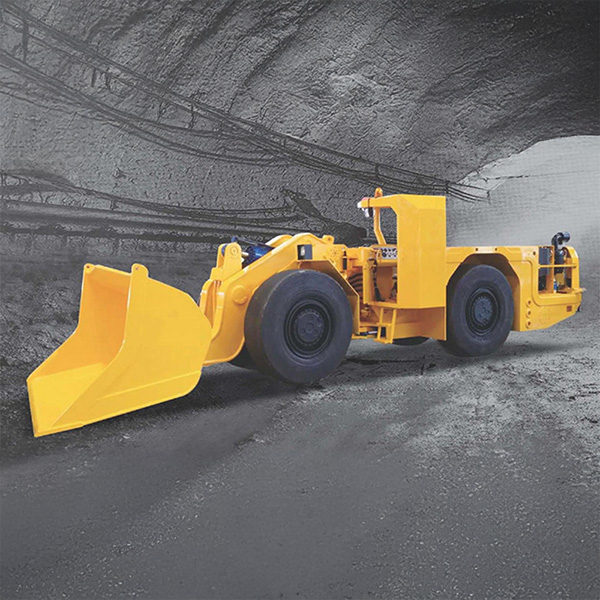
Operating a Scooptram (also known as an LHD, Load-Haul-Dump machine) in underground mines demands precision, strict adherence to safety protocols, and deep familiarity with the equipment.
To help our clients and mining teams master safe operational practices, we've released an exclusive video featuring our senior operator demonstrating key procedures in a real underground mine tunnel. The footage walks viewers through every critical step—from pre-start checks to post-operation shutdown—ensuring compliance with industry safety standards and optimal Scooptram performance.
Before starting the Scooptram, the operator begins with a thorough inspection of the loader control system, ensuring all components respond correctly. Next, he checks the oil level in the hydraulic system tank, emphasizing that it must never drop below the oil mark to prevent system failure.
Each lubrication point receives careful attention too. grease lubrication is applied to keep moving parts running smoothly. Brake fluid levels and tire pressure are verified as well—small details that play a big role in underground safety. Finally, the bucket operating lever and all other handles are tested to confirm full functionality.
When it's time to start, the operator first notifies everyone around the Scooptram, ensuring they evacuate to a safe area—a rule he calls "non-negotiable" for underground work. After starting, he monitors instrument readings and listens for unusual sounds, checks braking reliability, and inspects the hydraulic system for leaks. If anyone enters the work zone unexpectedly, he stops the LHD immediately and lets them pass first, prioritizing human safety above all.
Driving the Scooptram requires a steady hand: he moves slowly and avoids touching the supports on both sides of the tunnel to prevent damage to the machine or infrastructure. When shoveling, he keeps the tires running at all times to avoid slipping or idling, which can waste energy and risk LHD component wear.
For uphill or downhill travel, he positions the bucket facing the bottom of the slope—a technique that adds stability—and notes that auxiliary braking should be used in dangerous situations to maintain control of the Scooptram.
After the task is done, the operator follows a strict shutdown routine: he cleans the LHD to remove debris (which prevents buildup from affecting performance), resets the joystick, flips down the bucket to touch the ground, and disconnects both the vehicle power switch and the main power switch. If parking the Scooptram on a slope, he wedges the machine with rocks to keep it secure and prevent unintended movement.
This video isn't just a demonstration—it's a tool to help mining teams work safer and smarter with their Scooptram and LHD fleets. Whether you're training new operators or refreshing skills for veterans, these procedures are designed to protect your team, reduce downtime, and maximize your equipment's lifespan.