Welcome to Changsha Mining Equipment Co., Ltd.
Choosing Belt or Scraper Mucking Loaders for Mines
In small and mid-sized mining operations, the choice of mucking loader can have a direct impact on productivity, safety, and maintenance costs.
Belt-type and scraper-type loaders remain the two most common options, and each suits different mineral conditions and underground environments. This is especially relevant in regions such as South America and Africa, where mines vary widely in geology and scale.
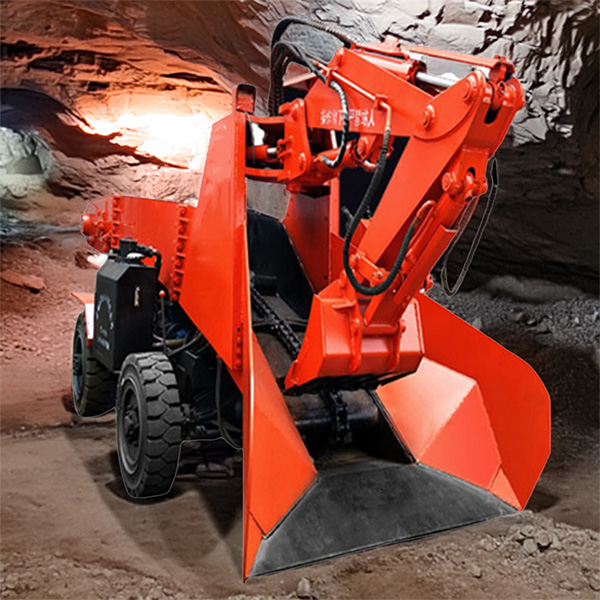
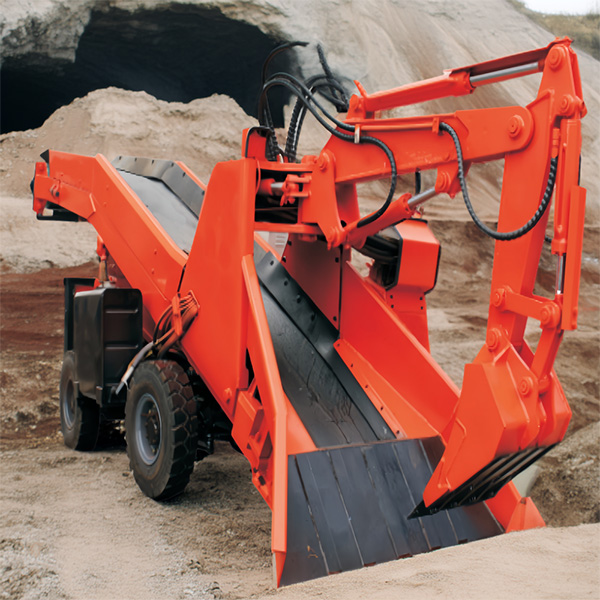
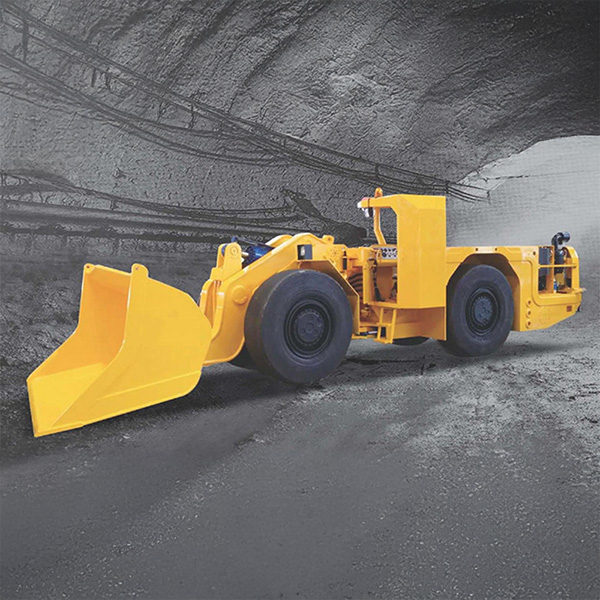
[Belt and scraper scrapers suitable for different mining environments]
The belt-type loader is often favored when the transported material is relatively dry, uniform, and less abrasive. Its continuous conveying system reduces spillage and delivers higher efficiency, making it suitable for hard rock deposits. For example, a copper mine in South America found that switching to belt loaders improved cycle times and lowered material handling losses.
By contrast, the scraper-type loader is designed for tougher conditions, such as sticky, clay-rich ore or environments with high moisture. Its stronger mechanical structure provides greater durability against abrasive or irregular material. A gold mine in Africa, operating in narrow tunnels with wet conditions, reported better reliability after adopting scraper loaders, as belts in such an environment tended to wear out quickly.
For many operators in Peru, Tanzania, and beyond, the decision comes down to balancing efficiency with durability. Belt loaders can deliver higher productivity in structured, hard-rock mines, while scraper loaders often prove more dependable in unpredictable or moisture-heavy deposits.
Understanding these differences allows mining companies to select the loader that best fits their geology, ensuring safer operations and more consistent output. For small and medium-sized mines, making the right choice between belt and scraper loaders supports not only immediate performance but also long-term cost control.